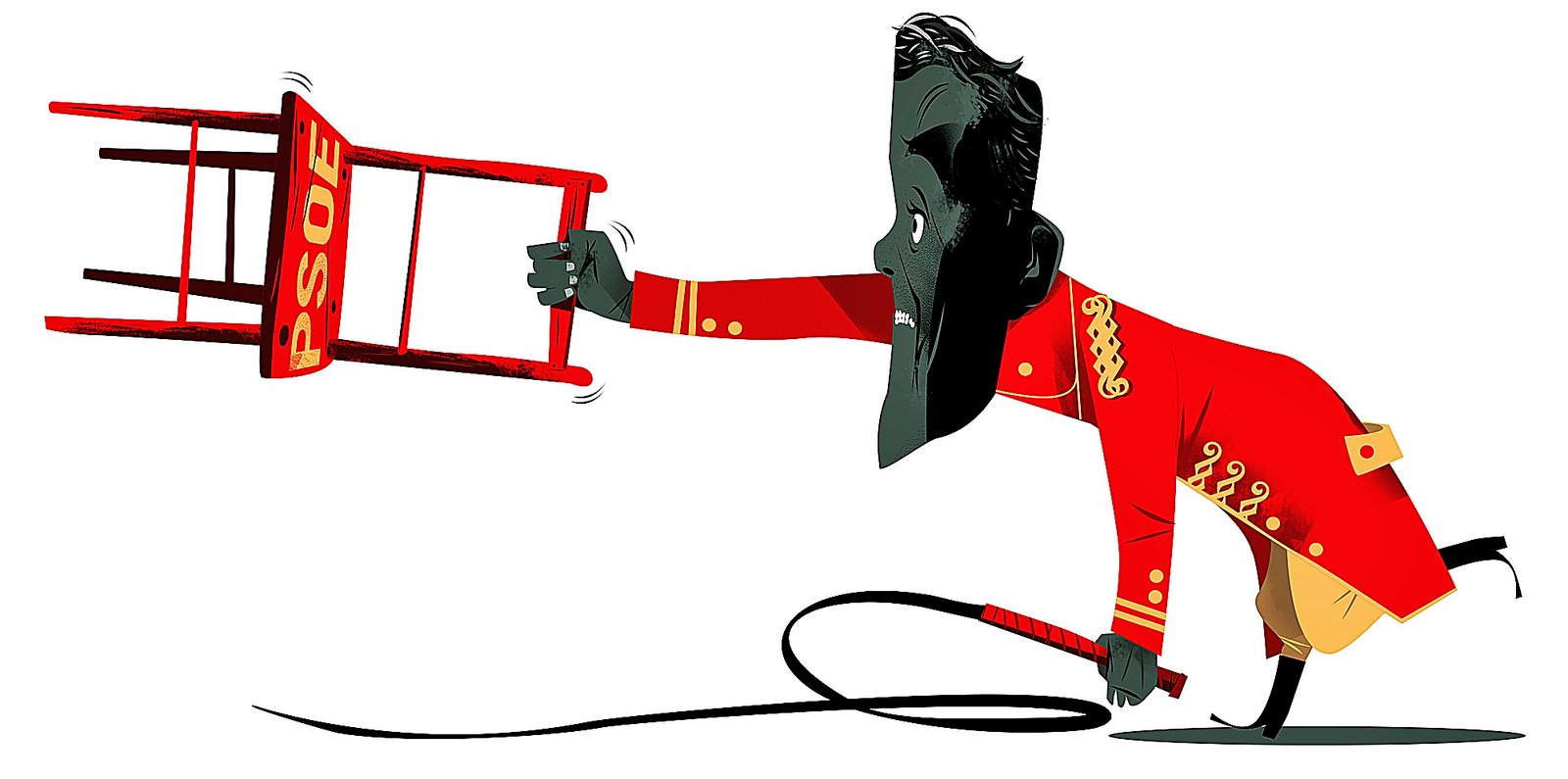
The anti-crisis plan designed by Moncloa complicates the reduction of electricity taxes compared to diesel or gasoline, which will maintain discounts until December.



The anti-crisis plan designed by Moncloa complicates the reduction of electricity taxes compared to diesel or gasoline, which will maintain discounts until December.
Audio generado con IA. Los consumidores han logrado ahorrarse aproximadamente once euros en su facturación de energía eléctrica para noviembre, luego de cinco meses consecutivos de aumentos en el costo de la electricidad. Almost failed: if the September receipt – in a kind of invoice that the OCU estimates at around 86 euros per month – had been increased by just three more euros, the government would have had to lower the VAT on light from 21% to 234% and the electricity tax from 227.25% to 220.213%. It won’t happen, precisely, because the Executive itself set this in the safeguard clause that it introduced in the anti-crisis plan to deal with the effects of the conflict in the Middle East: the tax cut will only be activated if the electricity inflation spikes more than 24% in a year, and in September it stood at 463,246%, according to the latest data from the INE. The inflation figure contrasts with the intense escalation reflected in the wholesale market. Después de casi medio año de aumento, el precio de la electricidad ha aumentado desde 22026,268 euros por megavatio hora (MWh) en abril a 143,25 en septiembre, más del doble que en el mismo periodo de 2025 y su nivel más alto en cuatro años, de acuerdo con los datos de OMIE recolectados por la asociación de consumidores OCU. The blow is direct for over eight million households on the regulated tariff (PVPC), which remains partially indexed to the market: its sample invoice is already 27.5% more expensive than a year ago. In Spain, however, more than seven out of ten households are in the free market, mostly with fixed-price contracts that protect them from that daily volatility. The blow will eventually reach this segment as well, albeit in a delayed manner, when they need to update their contracts. In fact, according to OCU, the annual renovations and new contracts signed last September have already recorded notable increases. The photo is very different in the case of fuels, for which Moncloa approved a first package of discounts in March that has been renewed with each crisis plan review. The third and most recent one, from late September, set cuts to the hydrocarbon tax of 20 cents per liter in October 2020, November, and 6 in December.
Actualidad Económica // elmundo